

In brief
- There’s rarely a need to clear the house in the first few weeks. Secure it, tell the insurer and find the paperwork first.
- Only the executor (or administrator, if there’s no will) should decide what happens to the contents.
- Record and value the contents before anything is sold, given away or cleared. The estate may need those figures.
- Give family a fair chance to choose keepsakes, then sell, donate and recycle what you can.
- Use a registered waste carrier and get it in writing: a fixed quote, and a receipt or waste transfer note.
Clearing the home of someone who has died is a practical job wrapped up in a lot of feeling. This guide takes you through it in the order we’d suggest, from the first visit to handing back the keys. It’s based on English and Welsh law and practice.
Every family and every estate is different. Where something depends on the will, the size of the estate or the type of property, we’ll say so. If in doubt, check with the solicitor dealing with the estate.
Step 1: secure the property
The first job is to make sure the house is safe and locked. Empty homes attract attention, especially once a death notice or funeral details have been published.
- Find all the sets of keys you can, and ask neighbours, carers or relatives whether they hold one. If you can’t account for every key, think about changing the locks.
- Check windows, back doors, garages and sheds are locked.
- Take cash, jewellery, bank cards, chequebooks, passports and important documents somewhere safe, and write down what you took and where it is.
- Empty the fridge and remove food that will go off.
- Look for anything left on: heaters, lamps, taps.
- Ask a trusted neighbour to keep an eye on the place and let you know if anything looks wrong.
Our guide to looking after an empty house after a death goes into more detail on security, utilities, post and winter care.
Step 2: tell the home insurer
Contact the insurer as soon as you can. Most home insurance policies change once a property is unoccupied: cover may be reduced, or end altogether, after a set number of days. That period varies between insurers, so read the policy or ask. Some insurers ask for the house to be checked regularly while it’s empty, and a few will want you to move to specialist unoccupied property cover.
Keep a note of who you spoke to, what they said, and any conditions they set. If you’re not the executor, pass this on to whoever is.
Step 3: find the will and the paperwork
Before anything leaves the house, look for the will and the papers the executor will need. The will may be at home, with a solicitor, at the bank, or stored with the Probate Service. It may also say who should receive particular items, which matters before anything is moved.
Gather together:
- the will and any later codicils or letters of wishes
- bank, building society and pension statements
- share certificates, premium bonds and savings books
- insurance policies, including life cover
- property deeds, mortgage papers or the tenancy agreement
- utility and council tax bills
- letters from HMRC, the DWP and the council
- an address book or phone with contacts
Paperwork turns up in surprising places. Our house clearance checklist lists the spots worth checking before anything goes.
If you haven’t already, the registrar can give you a reference for Tell Us Once. It lets you report the death to most government organisations in one go, including HMRC, the DWP, the Passport Office, the DVLA and parts of the local council. You must use it within 28 days of getting the reference. The gov.uk guide What to do when someone dies sets out the full list of steps.
Step 4: work out who has authority
The person who decides what happens to the house and its contents is the personal representative. gov.uk explains that they are legally responsible for the money, property and possessions of the person who died, from the date of death until everything has been passed on.
- If there’s a will, the personal representatives are the executors it names. In England and Wales an executor’s authority comes from the will, so they can start looking after the estate before the grant of probate. In practice, banks and others will usually want to see the grant before they deal with them.
- If there’s no will, the closest entitled relative can apply to become the administrator, normally the husband, wife or civil partner, then any adult children. An administrator’s authority comes from the grant (letters of administration), so they generally have very limited power to act before it’s issued.
Family members who aren’t executors or administrators shouldn’t sell or give away the contents, however close they were. Citizens Advice puts it plainly: if you’re not acting as executor, you shouldn’t sell the assets of the person who died. Where there are several executors, agree decisions between you and write them down.
Whether a full clearance can go ahead before the grant is one of the most common questions we’re asked. We cover it in can you clear a house before probate? The short answer is that some preparation is sensible, but check with the solicitor dealing with the estate before you sell or dispose of anything of value.
Step 5: value the contents for the estate
Household and personal items are part of the estate. gov.uk lists household and personal items, including antiques, electrical goods, furniture, jewellery, paintings and stamp collections, among the assets to include when you value an estate. The guidance is to estimate what the person would have got if they’d sold them, and you can look at similar items on online marketplaces.
For most homes, the bulk of the furniture and household goods has modest second-hand value. The things that change the picture are usually jewellery, watches, art, antiques, collections, coins and medals, and the occasional piece of furniture by a known maker. If you think the estate may be near or over the Inheritance Tax threshold, or there’s anything of real value, get a professional valuation. We can put you in touch with an independent valuer.
Two practical points:
- Record before you remove. Photograph each room and anything of value before it’s moved, and keep a simple list. It helps with the estate accounts and avoids disagreements later.
- Timing matters. gov.uk says any Inheritance Tax must be paid by the end of the sixth month after the death to avoid interest. If items are later sold for more than their probate value, Capital Gains Tax can come into it, so tell the solicitor or accountant what was sold and for how much.
Step 6: decide what to keep
Before the house is cleared, set aside anything the estate or the family will need. As a rule of thumb, keep:
- all financial and legal documents until the estate is finished
- photographs, letters, diaries, certificates and family records
- jewellery, watches, cash and anything that looks valuable
- phones, computers, tablets and memory sticks, which may hold photos, passwords and account details
- items the will leaves to someone, which must go to that person
- things that matter to someone, even if they’re worth nothing
If you’re not sure, keep it. Things can always go later. They can’t come back once they’ve gone.
Step 7: let family and friends choose items
This is often the hardest part, and it goes better with a plan. A few approaches that work:
- Check the will first. Specific gifts come before anything else.
- Agree a date. Give everyone a fair chance to visit, or send photos to those who live far away.
- Take turns. Choosing one item each in rotation feels fairer than first come, first served.
- Write it down. Note who took what. If something is valuable, the executor may need to account for it in the estate.
- Set a deadline. Anything not claimed by then can go.
If relatives can’t agree, the executor has the final say on how the estate is handled, and the solicitor can advise.
Step 8: sell, donate and recycle
Once the keepsakes and valuables are set aside, the rest can be sold, given away or recycled. Selling items yourself can raise money for the estate but takes time. Auction houses and dealers will take better pieces.
Charities and reuse projects welcome good furniture and household goods. Upholstered seating, such as sofas and armchairs, needs a fire safety label to be reused, and a charity will usually check its condition.
When we clear a house, reuse comes first: good items go to local charities and reuse projects, metals, cardboard, wood and electricals are separated for recycling, and the rest goes to licensed facilities.
Step 9: book the clearance
When the executor is ready, get two or three quotes. A good clearance firm will:
- be registered as a waste carrier, which you can check on the public register in a couple of minutes
- give you a fixed written quote after seeing the job, by visit, photos or video
- tell you what they’ll recycle or donate, and where the rest goes
- give you a receipt or waste transfer note at the end
- look out for documents, photos and valuables as they work, and set them aside for you
If you live a long way from the house, you don’t have to be there. For probate clearances we collect keys from the solicitor, executor or estate agent, send photo updates while we work, and return the keys afterwards. We travel anywhere in England and Wales for estate work. Our guide to house clearance costs explains what affects the price.
Step 10: final clean and handover
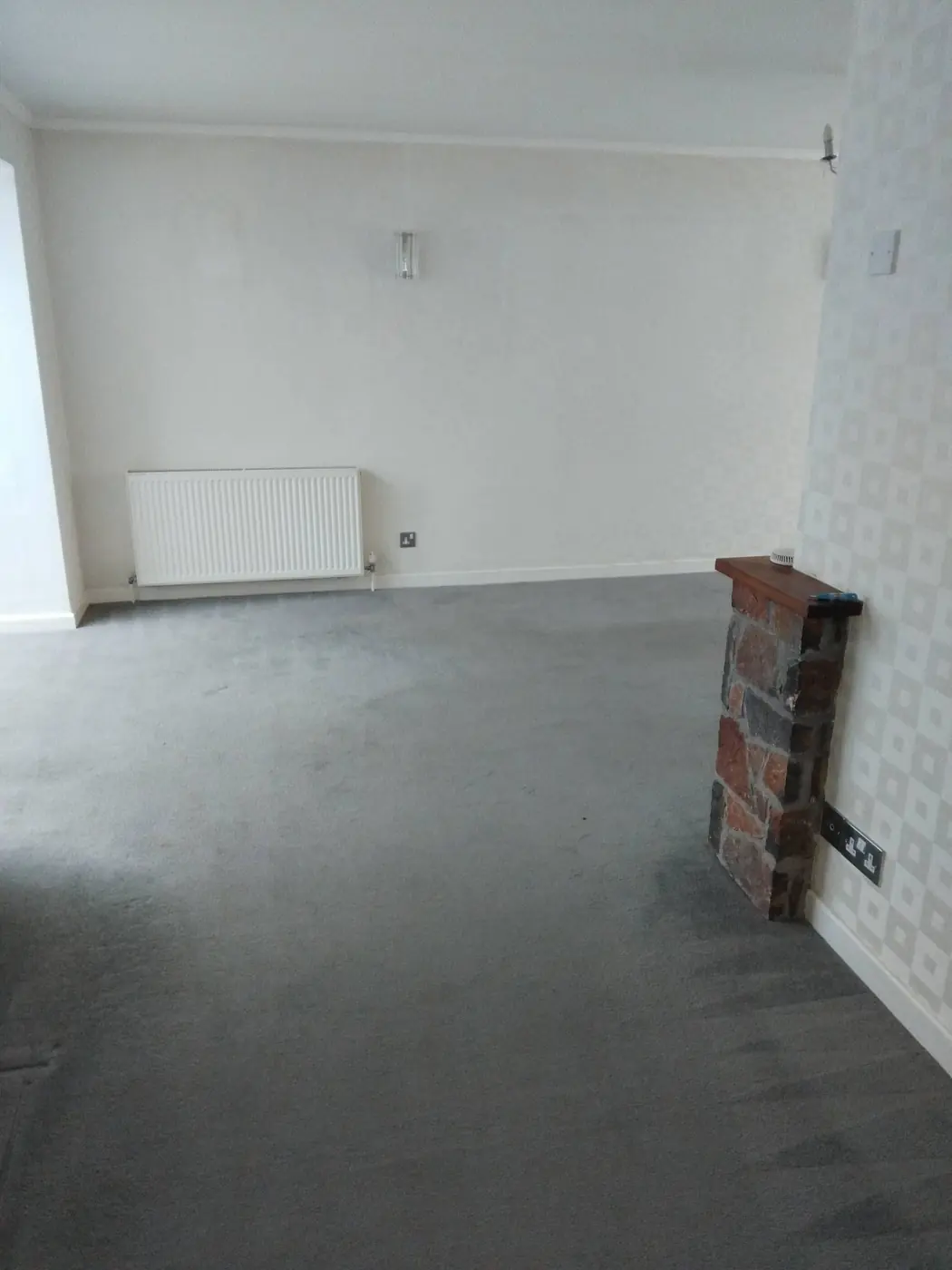
Once the house is empty, it needs to be ready for whatever comes next: a sale, a new tenant, or handing keys back to the landlord or council.
- Take final meter readings and photos of the meters.
- Photograph each empty room for your records.
- Arrange a clean, and a carpet clean if it’s needed. We sweep through as standard and can arrange cleaning.
- If it’s a rented home, check the landlord’s or council’s handover requirements and return all keys by the agreed date.
- Tell the insurer the house is now empty, and check the cover is still right.
Checklist: clearing a house after a death
Print this off or keep it on your phone.
- All keys found; locks changed if needed
- Windows, doors, garage and sheds locked
- Cash, jewellery, cards and documents taken somewhere safe and listed
- Fridge emptied; heating, water and appliances checked
- Insurer told; unoccupancy conditions noted
- Will found; executor or administrator confirmed
- Tell Us Once used within 28 days of the reference
- Bank, pension, insurance and property papers gathered
- Post redirected or collected
- Each room photographed; contents listed
- Valuable items professionally valued if needed
- Gifts in the will set aside for the right people
- Family given a fair chance to choose keepsakes, with a deadline
- Photos, letters and digital devices kept
- Executor’s agreement before anything is sold or cleared
- Two or three quotes from registered waste carriers
- Fixed written quote agreed
- Receipt or waste transfer note received
- Final meter readings and photos taken
- House cleaned; keys returned or handed to the agent
Common questions
How soon after a death should the house be cleared?
There’s usually no need to rush. For an owned home, it’s normal to wait until the will has been found, the contents recorded and the executor is ready, which is often after the grant of probate. Rented and council homes are different: rent usually keeps running until the tenancy ends, so there may be a deadline. Check the tenancy and talk to the landlord early.
Who is allowed to clear the house?
The executor named in the will, or the administrator if there’s no will, is responsible for the contents. Other family members shouldn’t sell or dispose of anything without the executor’s agreement. If you’re unsure who has authority, check with the solicitor dealing with the estate.
Do I need to value everything in the house?
Household and personal goods are part of the estate, so the executor needs a fair idea of their value. Most everyday furniture and goods are worth little second-hand, but jewellery, art, antiques and collections can be worth a lot. For anything that might be valuable, or if the estate may owe Inheritance Tax, get a professional valuation.
What happens to photos and papers you find during the clearance?
We look out for documents, photos, jewellery, cash and keepsakes as we work, and set them aside for the family or the solicitor. Before anything leaves, we check with you about anything we’re unsure of.
Can the house be cleared if I live far away?
Yes. For probate work we travel anywhere in England and Wales. We can quote from photos or a video walk-through, collect keys from the solicitor or agent, send photo updates, and return the keys when the job is done.
Can family keep items before probate is granted?
Items left to someone in the will are theirs in the end, but handing things out before the grant can cause problems if the estate needs to sell assets to pay debts or tax. Write down who takes what, and check with the solicitor dealing with the estate before giving away anything of value.
When you’re ready
If you’d like help, we can talk you through the options on the phone with no obligation, and give you a fixed quote once we’ve seen the house. Solicitors and estate administrators can read how we work on our page for professionals. For a home in Weston-super-Mare or North Somerset, see our house clearance service.
This guide explains the practical side of clearing a property. It isn’t legal or financial advice.